ENGINEERING

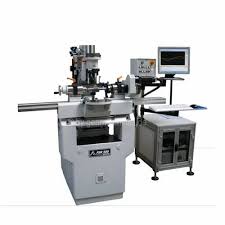
Worm Pair Single Flank Tester

The Worm Pair Single Flank Tester is a precision inspection system engineered to evaluate the quality and performance of worm gear pairs under controlled single flank rolling conditions. It is designed to detect deviations in transmission accuracy and to ensure compliance with international gear quality standards. Ideal for quality assurance in worm gear production, this system enables manufacturers to deliver high-performance, low-noise drive systems.


Key Features

  • High-Resolution Measurement: Captures minute transmission errors and angular deviations with high accuracy.
  • Single Flank Testing Method: Measures composite deviations as the worm and wheel rotate in mesh, simulating real operating conditions.
  • Customizable Fixtures: Adapts to various worm and worm wheel sizes and configurations.
  • Data Output: Digital interface with software integration for data logging, analysis, and SPC reporting.
  • Rigid Base & Precision Bearings: Ensures smooth rotation and consistent test results.

Test Parameters

  • Composite Error (Transmission Error)
  • Single Flank Runout
  • Index Error
  • Center Distance Variation
  • Gear Backlash (optional)

Applications

  • Automotive: Steering systems, window regulators, seat adjusters
  • Industrial Drives: Conveyor systems, lifting mechanisms
  • Consumer Electronics: Precision actuation systems
  • Robotics & Automation: High-reduction, compact drive units

Benefits

  • Improved Gear Quality Control: Early detection of manufacturing defects such as pitch variation, profile errors, or improper center distances.
  • Simulated Real-World Conditions: Mimics the actual working conditions of the gear pair for more reliable performance prediction.
  • Time-Efficient Testing: Rapid setup and measurement cycles improve inspection throughput.
  • Traceable Results: Enables consistent quality assurance through documented and repeatable testing methods.

Optional Enhancements

  • Noise and Vibration Analysis
  • Motorized Drive with Variable Speed Control
  • Thermal Compensation Systems
  • Automated Load Application for Simulated Operating Torque